Recently, potential sellers asked me why they should hire me when they can probably sell their house by themselves. And yes, AI is making it easier for sellers to do that, and buyers use AI to purchase homes as well. The information you need to buy or sell is out there. All you need to do is input a prompt, and the next steps will be laid out for you. So why should you hire me or any Realtor to help you?
I thought about the question for a while, and jotted down all of the parts of the process I manage. A real estate transaction is made up of little steps leading up to one big event: the closing day, when the legal transfer of a property happens between two people. Along the way, it doesn’t really seem that much is happening, but once I saw the list on paper, I was pretty impressed. Here are all of the steps, interactions, and tasks that make up a Realtor’s job.
Phase 1: Prepping the Property Before Going on the Market
- Consult with the seller about what needs to be done to the home to get it ready for sale.
- Arrange for a pre-sale inspection that will highlight structural and mechanical issues.
- Determine what cosmetic improvements are needed, like painting, cleaning, de-cluttering, etc.
- Suggest improvements to outdoor spaces as well.
- Visualize staging ideas, furniture placement, or ways to make the home the most attractive it can be for potential buyers.
- Wait for the sellers to complete the checklist of items.
Phase 2: Marketing the Property for Sale
- Price the property.
- Arrange for photos/video to be taken.
- Decide who will field showing inquiries from potential buyers
- Decide who schedules showings and who will be present.
- Decide how a potential buyer will get into the home.
- Depending on those decisions, put a lockbox/key on the front door or other secure outdoor area.
- Decide if FHA or VA mortgage buyers are okay or if you only want conventional loan or cash buyers.
- Gather all available information about the property, and upload to the MLS, Zillow, etc along with photos/videos.
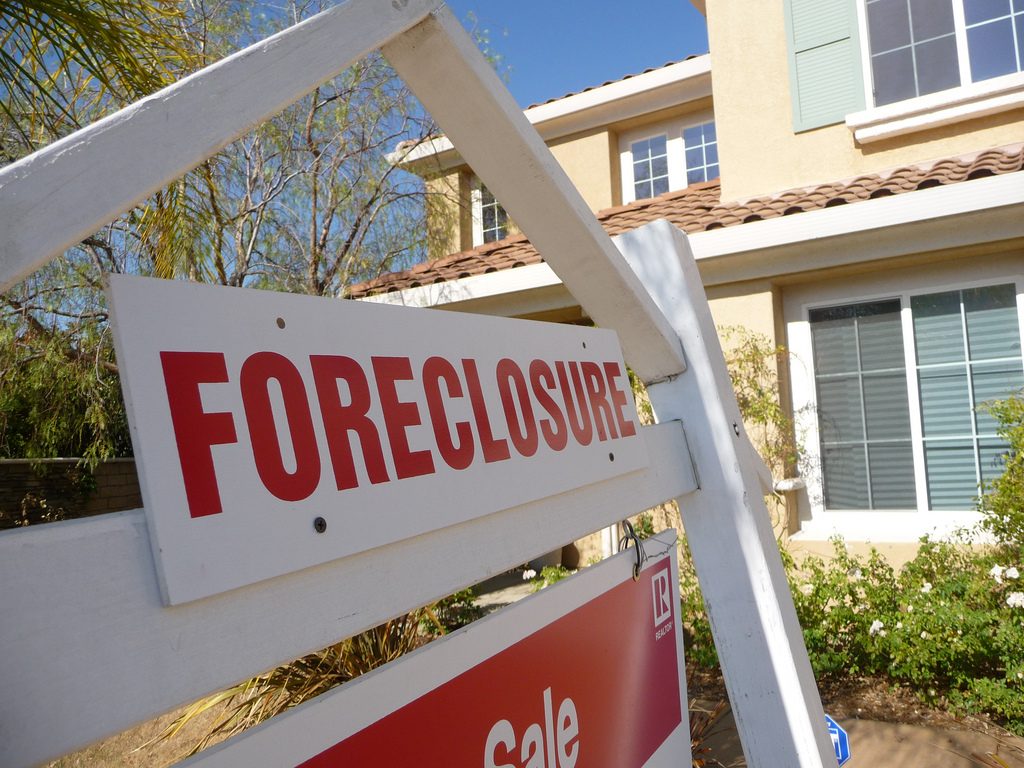
- Put a sign in the front yard.
- Upload documents and information like surveys, disclosures including lead-based paint disclosure, home upgrades, etc.
Phase 3: Showing the Property
- Schedule potential buyers and their agent and meet them at the property.
- If necessary, answer questions and follow up with the potential buyer’s agent after the showing.
- Arrange with the title company to get a “net sheet” showing purchasing costs to the potential buyer.
- Communicate potential buyer feedback to sellers.
Phase 4: When the Buyer’s Agent Submits an Offer
- Review offers including offer price, conditions, closing date, etc.
- If buyers are paying cash, review proof of funds submitted with the offer.
- If buyers are paying with a mortgage, review the mortgage professional’s mortgage pre-approval and talk to the mortgage professional if necessary.
- Negotiate with seller and buyer’s agent to ensure the offer is acceptable to both parties.
- Alter the contract to reflect the final negotiation. Get all buyers and sellers to sign and initial all documents and changes.
Phase 5: Communicating with the Title Company
- Send the executed contract to all parties and the title company.
- Request the title company send the escrow fund wiring instructions to the buyer.
- Make sure the title company has the contact information for all parties.
- Make sure the buyer wires escrow funds to the title company within the time period detailed on the contract, usually 3 days.
Phase 6: Communicating with the Mortgage Professional
- Send the contract to the mortgage professional with the contact information of the buyers and sellers.
- Confirm the “loan approval” date detailed on the contract.
Phase 7: Handling Inspections
- Attend inspections, communicate with appraisers, contractors, lenders, etc.
- Make sure inspections happen within the time period detailed on the contract.
- Review the inspections once completed.
- Possibly renegotiate the contract based on the inspections and prepare an addendum with the renegotiated terms.
- Get seller and buyer to sign addendum.
Phase 8: Steering the Escrow Period
- Review title, lien, and permit searches once the title company has completed them.
- If those searches don’t come back clear, work with title and the seller to remedy.
- Communicate with the mortgage professional during the course of the transaction to ensure the buyer is getting all required documentation to the lender.
- Contact the mortgage professional on the “loan approval” date to make sure the buyer has conditional approval for the mortgage.
- Ensure the seller is completing any required repairs in time for closing.
- Ensure the buyer has contacted an insurance company.
- If the buyer is purchasing with a mortgage, ensure the appraisal is happening on time.
- If the appraisal is lower than the purchase price, renegotiate the contract and get all parties to sign an addendum that remedies, or cancel the contract.
Phase 9: Intensive Management the Week Before Closing
- Receive the settlement statement from the title company, and review it with buyers and sellers.
- Communicate with the title company to correct any errors on the settlement statement.
- Ensure the sellers contact the title company with information to wire proceeds from the sale.
- Ensure the buyers wire funds to close.
- Ensure the buyer establishes utilities for service after closing.
- Get all keys, garage door openers, property information/warranties from the seller.
Phase 10: Hand-Off On the Day of Closing
- Coordinate with buyers and sellers when and where they want to sign closing docs.
- Once documents are signed, communicate with the title company until all funds are dispersed.
- Turn keys over to the buyers.
This list is what Realtors do if the deal is straightforward. But crazy, unexpected things happen pretty frequently. Here’s a list of things taken from my “crazy deals” file.
Going Above and Beyond in Extenuating Circumstances
- A buyer doesn’t make a credit card payment on time right before closing, causing their credit score to plummet.
- A bulge in the exterior stucco needs repair. The contractor can’t repair it without cutting through large portions of pool screen, which then requires a screen repair in addition to the stucco repair.
- Multiple storms happen back-to-back, and the insurance company requires reinspection after every storm before closing can happen.
- A buyer takes a vacation out of the country right before closing.
- A seller gives birth earlier than expected.
- The A/C, refrigerator, or electricity stops working on the day of closing.
- Termites are discovered after inspections.
Realtors’ Experience Pays Off in the Long Run
It takes some experience to know how to handle the little things and the big things. AI can give you facts and suggestions, but it can’t pick up the phone and make a call to a vendor it’s known for 20 years to get some advice. It can’t go to the property and look at what’s happening there. It’s lacking the one thing that can move the transaction along smoothly: a human with a lot of experience, knowledge, and helpful relationships who can solve problems in real time.
Yes, you can sell by yourself with the help of AI, but do you really want to?